
Home Technology Sectors Deployment About Contact Invest
About

Decades in the domains where being wrong is not an option

Our mission is to bring reliable, cost-effective automation to the critical infrastructure the world depends on.
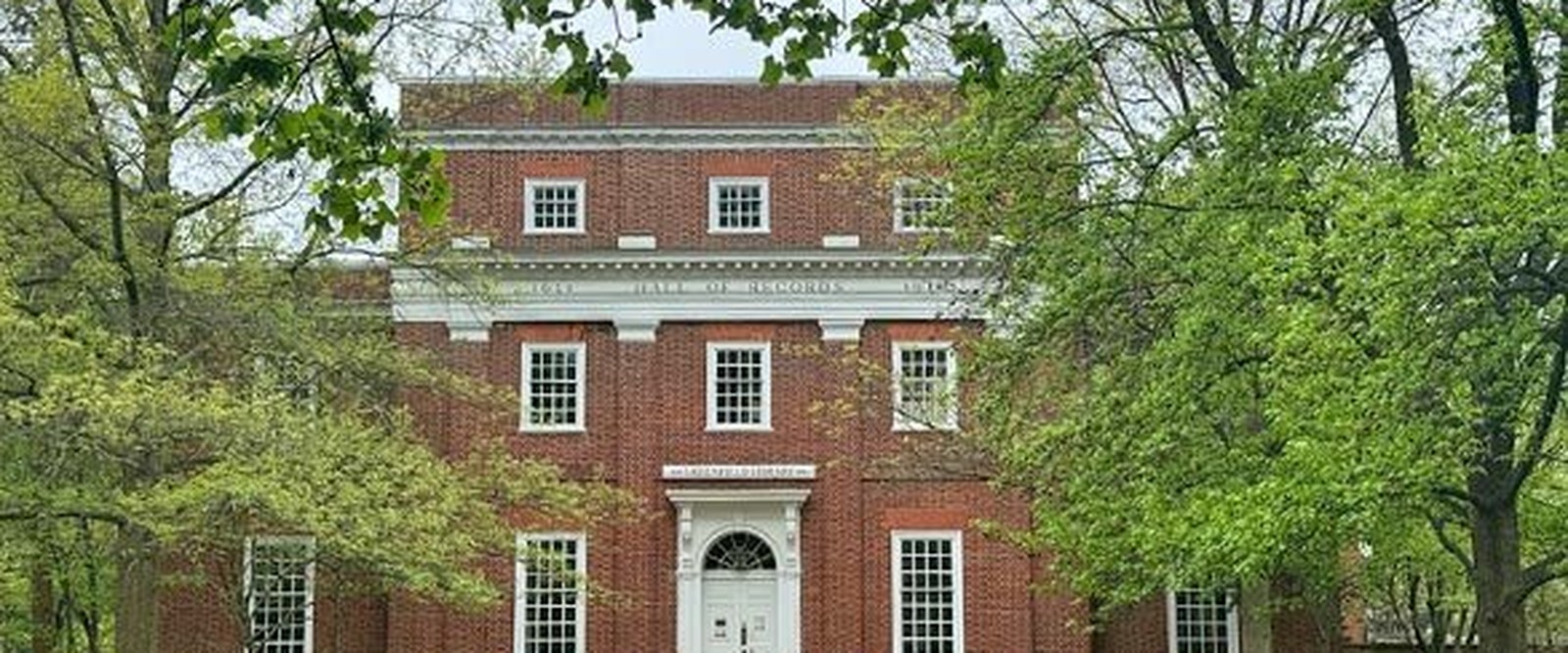
St. John’s College, Annapolis
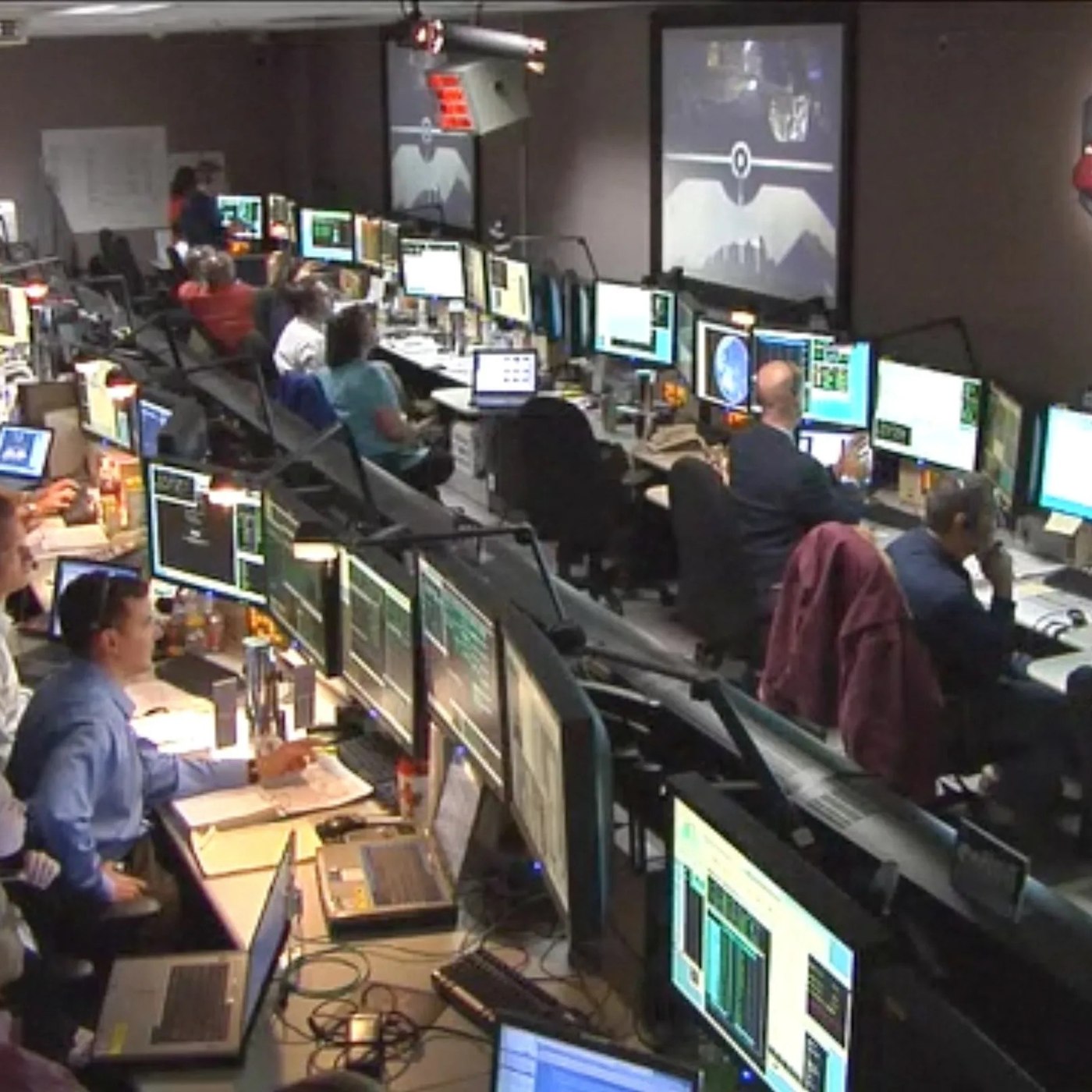
Mission control
Mission controlimg/feature/mission-control.jpg

40 years. Failure was never an option

They have advised global institutions, federal agencies, and elected officials. Their space experience includes the Hubble Space Telescope, International Space Station, Space Shuttle, NASA astronaut missions, commercial launch vehicle operations, and national, military and commercial satellite operations. The team has launched and exited high-stakes technology companies.

Four decades, three iterations, a final architecture
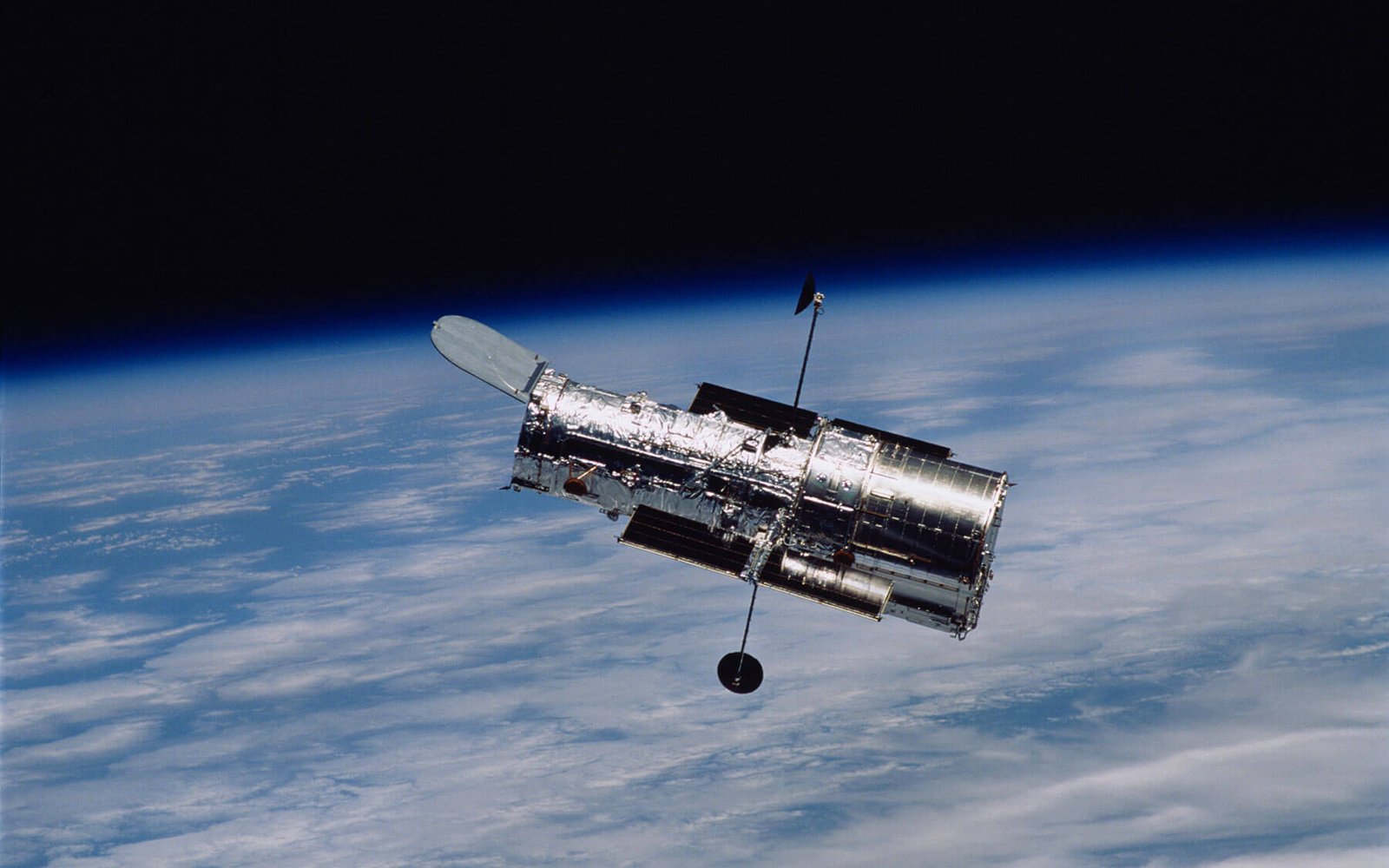
When Bryant Cruse joined the Hubble Space Telescope Mission Operations team in the mid-1980s, operators determined spacecraft status by manually analyzing 4,000 constantly changing telemetry parameters. He had a vision of a better way. His first step was to build an expert system for on-board computer memory dumps. It cut analysis time from 45 minutes to under 2. This was the first ever application of AI to space operations.

His quest to automate space operations would span four decades and two previous startups, both acquired, leading finally to New Sapience. Sapiens are the final of three successively more advanced approaches to solve the core problem of automation: scale. Traditional expert systems and LLMs share the same failure: complexity grows exponentially while capability plateaus. The sapiens architecture inverts that. Capability scales while complexity stays bounded.

Today, systems are becoming more complex, critical infrastructure ages, and costs and the risk of cyber-attacks rise. Humans in the loop, making real-time decisions under stress with cognitive performance degrading precisely when the stakes are highest, are an added risk. They were a necessary one, because the operation of these systems is not possible without human expertise. But now that same expertise can be automated with cost-effective sapiens solutions.

James Webb Space Telescope in the cleanroom at NASA Goddard.
Goddard Space Flight Center James Webb Space Telescope in the cleanroom at NASA Goddard. img/feature/company.jpg
John Frassanito

Co-Inventor of the Desktop Computer
Advisory Board, New Sapience

”[Placeholder — real quote from John Frassanito to come. Do not publish until confirmed.]”

Meet our team

Board of Directors

Advisory Board

Talk to the people who built it

Request a demo