Four domains where a wrong answer is unaffordable
Each of these environments runs on continuous interpretation of instrument data, under time pressure, with no margin for a guess. That is the problem the architecture was built to solve.
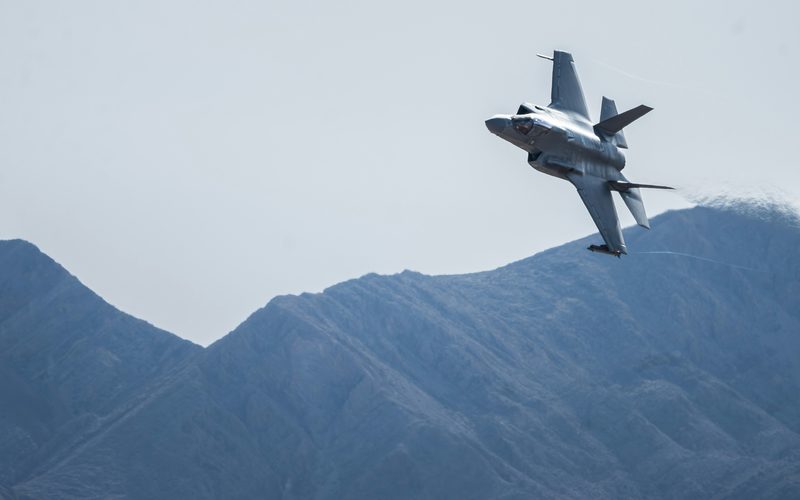
Space operations
A sapiens monitors thousands of telemetry values simultaneously, identifies anomalies in real time, and sequences commands with zero margin for error. New Sapience founder Bryant Cruse pioneered AI applications for spacecraft operations. He developed the first-ever expert system to analyze spacecraft telemetry for the Hubble Space Telescope. That same capability: continuous, reliable oversight of complex spacecraft state, is what New Sapience delivers today. No one overwhelmed by data. No tired or inattentive operator. No missed signal. No ambiguous reading.
LineageFounder Bryant Cruse built the first expert system to analyze spacecraft telemetry, for the Hubble Space Telescope.
Cybersecurity
A sapiens monitors system state continuously against a world model of what normal looks like. Every deviation is identified exactly. Not scored, not estimated, not left for a human to misinterpret. Either the system is behaving correctly, or it is not. That precision is what makes a sapiens effective where a best-guess threat detection may be a recipe for failure. No guessing. No false confidence. A clear answer, every time.
ContrastBest-guess threat scoring produces false confidence. A clear answer, every time, is the difference.
Nuclear power
A sapiens reads every instrument continuously, separates real anomalies from sensor noise, and tells operators exactly what is wrong and why. An unambiguous signal is delivered at the moment it matters most, not a flood of data for an operator to interpret under pressure. The Three-Mile Island accident was caused by human error over a misread instrument. A sapiens eliminates such a catastrophic scenario.
Precedent · 1979In 1979, misdiagnosed instrument readings overwhelmed operators at exactly the moment clear thinking mattered most. Cleanup ran over $1 billion. That class of ambiguity is what a sapiens removes.
Power grid management
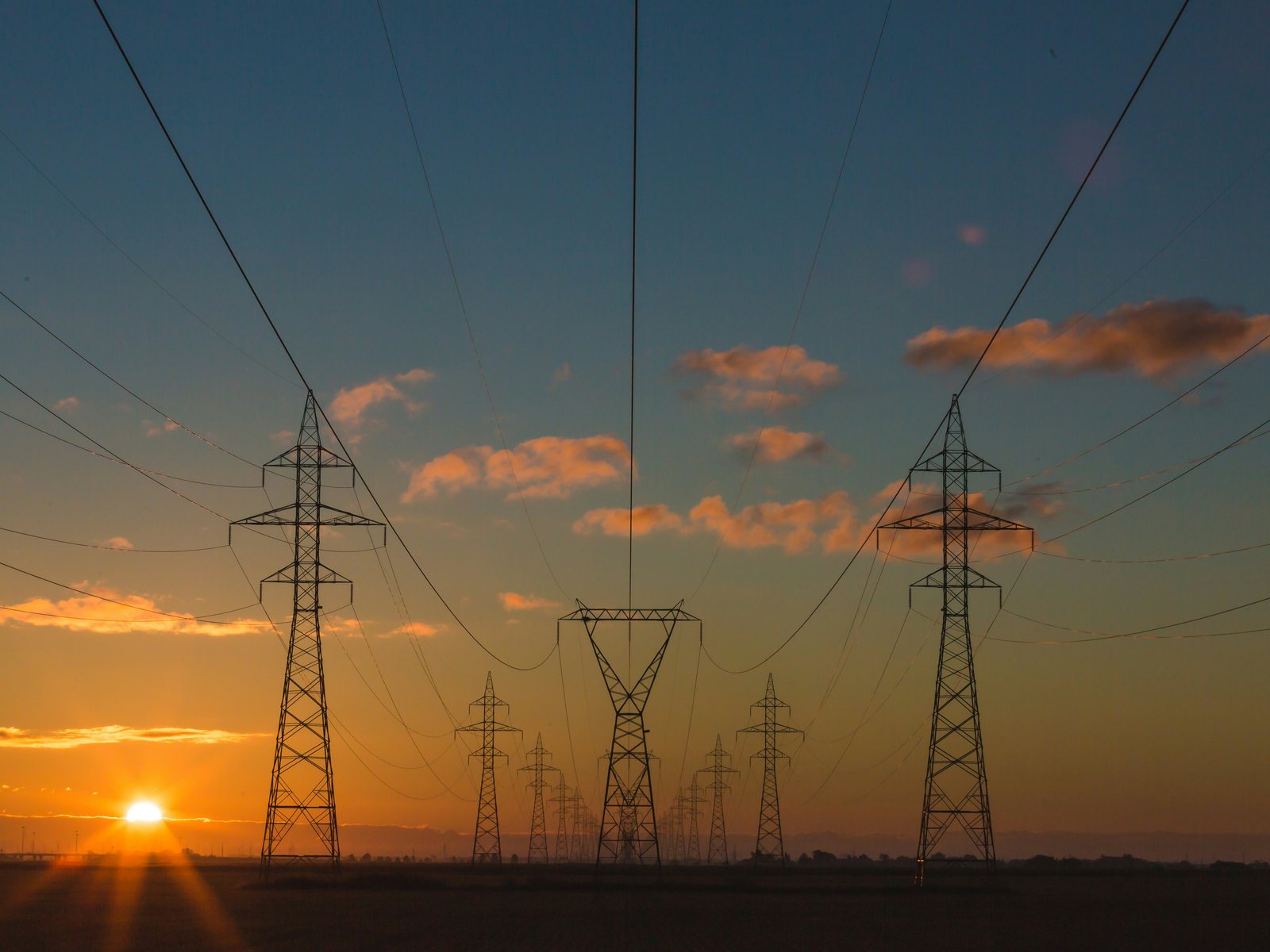
A sapiens watches the full grid simultaneously, every node, every load, every developing fault. It catches cascade risk before it propagates and coordinates response across distributed assets in real time. The 2003 Northeast blackout began as a small local fault that went undetected until after 8 states and much of eastern Canada lost power. A sapiens would detect the fault before an entire region goes dark.
Precedent · 2003The 2003 Northeast blackout caused an estimated $6 billion in economic damage when monitoring failures let a local fault cascade into regional collapse.