From hand-held devices to deep space missions
A platform capable of bringing unprecedented levels of automation to high-stakes systems and infrastructure, ready to scale from hand-held devices to global networks to deep space missions.
Six ways sapiens deploy
Each of these is a distinct product surface, from a phone in someone’s hand to an autonomous node inside a national grid.
01 Mobile Apps & Personal Assistants +
Today the average smart phone has 40 - 80 discrete apps installed, each with specific functionality and each with its own unique user interface. Most of these apps are conveniences but increasingly smartphones combined with other wearables are providing essential healthcare services. Mobile devices are becoming an important component of our healthcare infrastructure.
Unfortunately, the proliferation of apps and interfaces becomes a problem for the people who need them the most, the elderly and chronically ill. Sapiens provide an elegant solution. They provide a single interface to any function on the device or remote from the device and it is the one interface that requires no learning at all because it is the same communication interface people use for each other, their native language.
But the sapiens is far more than an interface. Through repeated conversational interchanges it builds a progressively more sophisticated model of its user’s preferences, needs and medical condition becoming an indispensable connection between the user and healthcare services.

02 Embedded Applications +
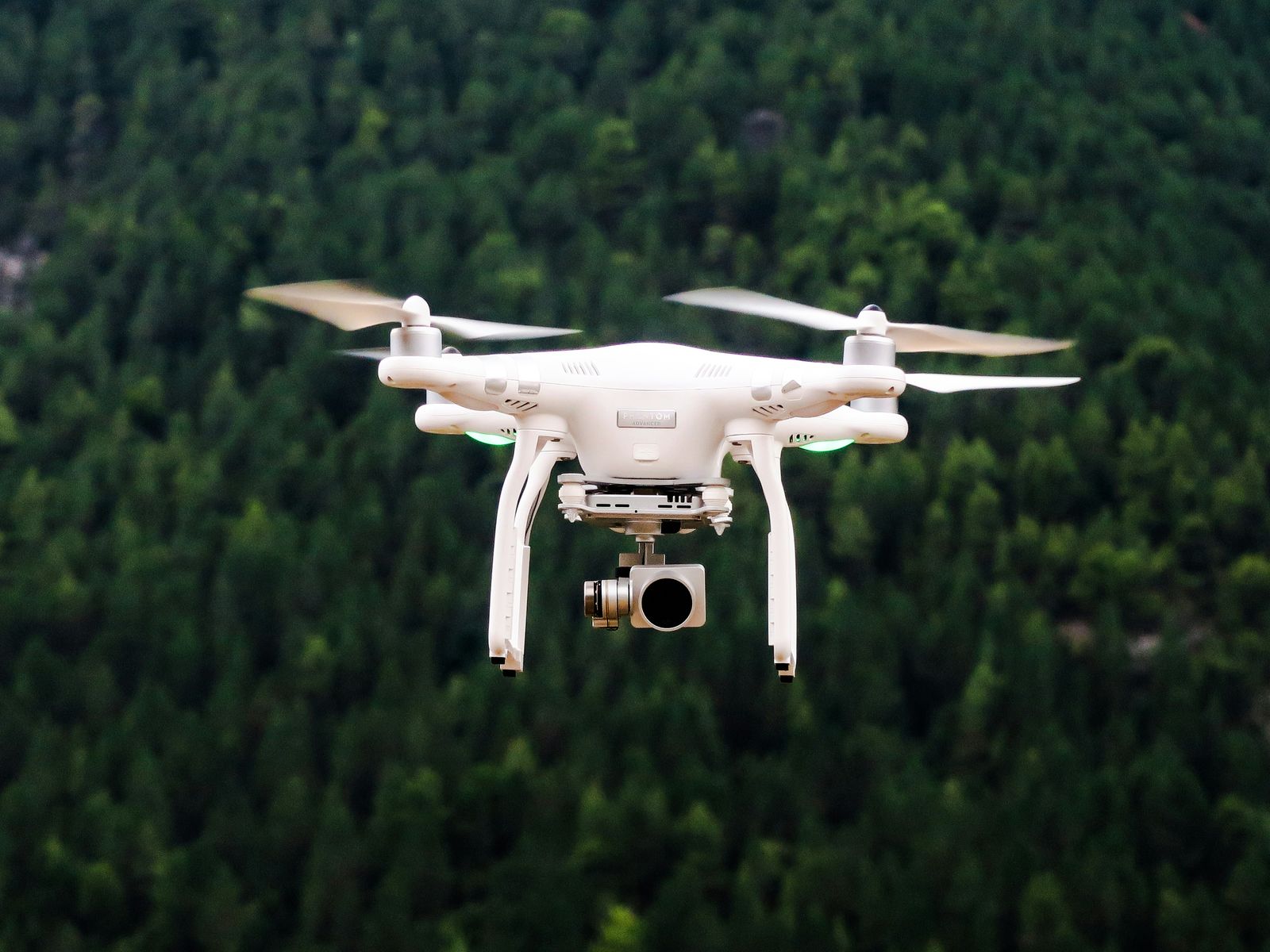
Increasingly, our critical infrastructures are composed of nodes that are themselves richly instrumented devices that must be monitored and controlled with internal or remote software. Sometimes these nodes are in fixed positions, sometimes they are movable and can be deployed to different places and sometimes they are fully mobile as with drones.
Sapiens, with their minimal power consumption, powerful modeling and computational capabilities and the option to run connected or standalone are perfectly suited for these devices.
Sapiens model all mechanisms with digital instrumentation and commands as state machines. The system is monitored by mapping instrumentation signatures into component states, component states are automatically mapped into subsystem states and so on. The system is operated by commanding state transitions which execute validated command sequences.
03 Enterprise-Level Agentic Automation +
Corporations today are investing heavily in agentic automation achieved by training Large Language Models against corporate and regulatory documentation. Many of these projects fail but those that succeed overcome the unreliability of LLM outputs by integrating companion “governance” applications that use deterministic rules with semantic network ontologies. These applications can be made to work but have the same scalability limitations of all symbolic AI approaches and so much of the cost savings through automation is lost.
Sapiens based models and logic are far more cost effective than their symbolic AI competitors and sapiens agents could bring significant efficiencies to LLM model governance. Even better, there remain entire domains of business logic that do not depend on statistical document summary that Sapiens could address directly.

04 Command and Control Systems +
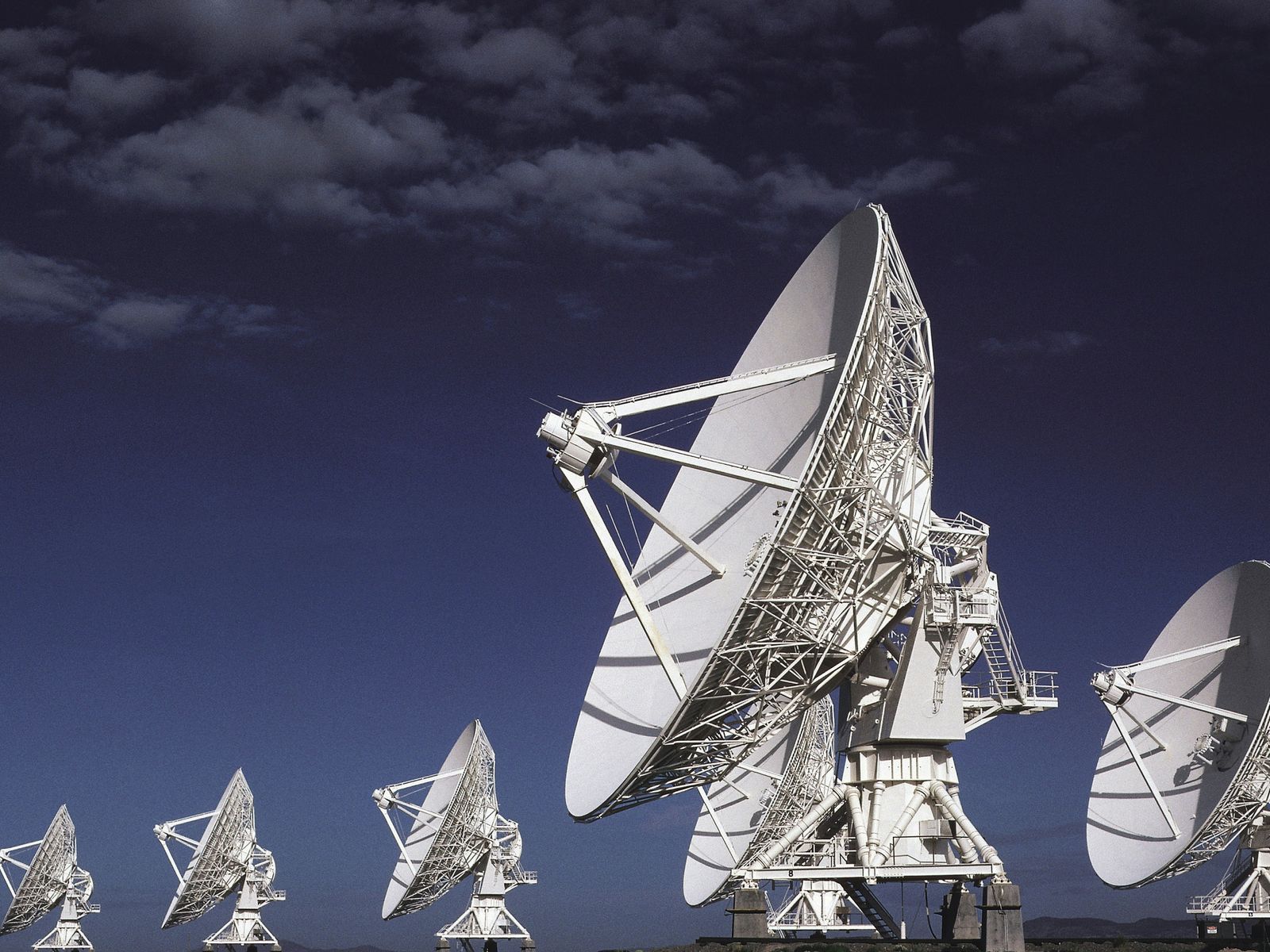
These are generally human-in-the-loop systems where complex high-stakes systems are managed from mission operation control centers. As systems grew control centers were necessitated by the proliferation of individual telemetry points coming from the system under operation. No single human could keep up with the volume of data and so more people were required.
Sapiens models can convert incoming data into actionable state and status information replacing today’s telemetry intensive operator displays with “glass cockpit” displays similar to those that enable two pilots to operate a complex aircraft. As the number of operators in a center decreases, human error and costs decrease.
As sapiens based automation is migrated away from the control center into the system under control, the control center itself becomes optional, at least for normal ops.

05 Self-Monitoring Networks +
The advantages of deploying sapiens controllers in each network node of an electric power grid, telecommunications, transportation and other high-stakes networks are clear. Each node would become self-monitored, self-diagnosing and capable of autonomous, flexible responses to anomalies. In the face of physical attacks or failures the network could have the capacity to autonomously reconfigure if nodes are lost.
06 Robotic Applications +
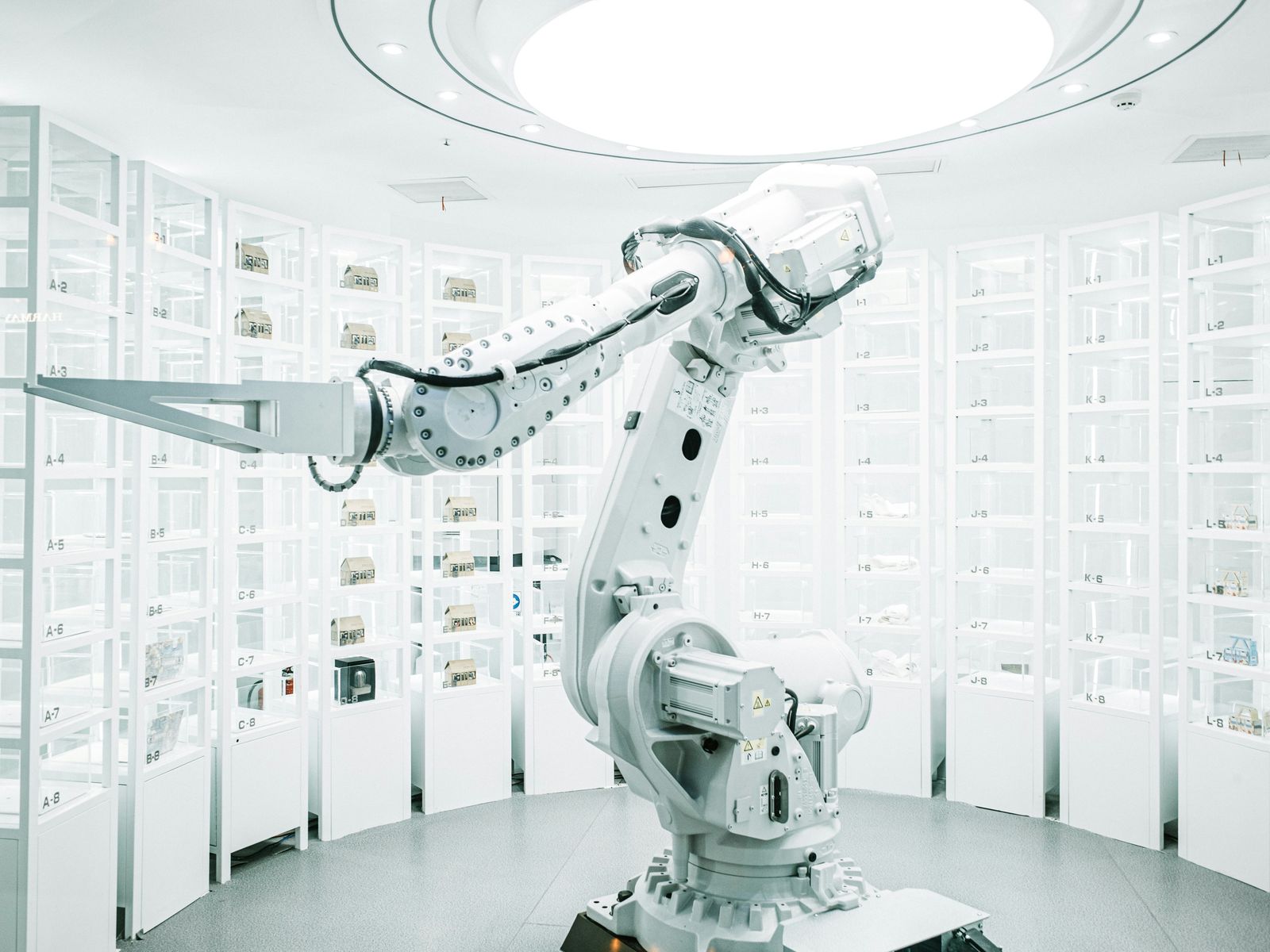
Any device with interior subsystems needing control and monitoring could be considered a robot. In these systems the sapiens state models keep the system operating and healthy in the same sense that the lower brain functions of a mammal keep its body healthy. But in multi-function and especially humanoid robots, higher brain functions such as environmental awareness, cognitive learning through natural language, contextual goal setting and robust decision making will prove to be essential. If these are not achieved this sector will not likely evolve beyond the level of “audioanimatronic” automatons, narrowly useful in narrowly controlled conditions.
Synthetic Intelligence can deliver on the high-level cognitive functions required for true multi-functional robots. Eventually, we expect all multi-function robots to have a sapiens inside because the way we understand the problem, the sector has no place else to go — no matter how many datacenters get built.